City of Laguna Beach Deploys SensoRy AI for Ultra-Early Wildfire Detection

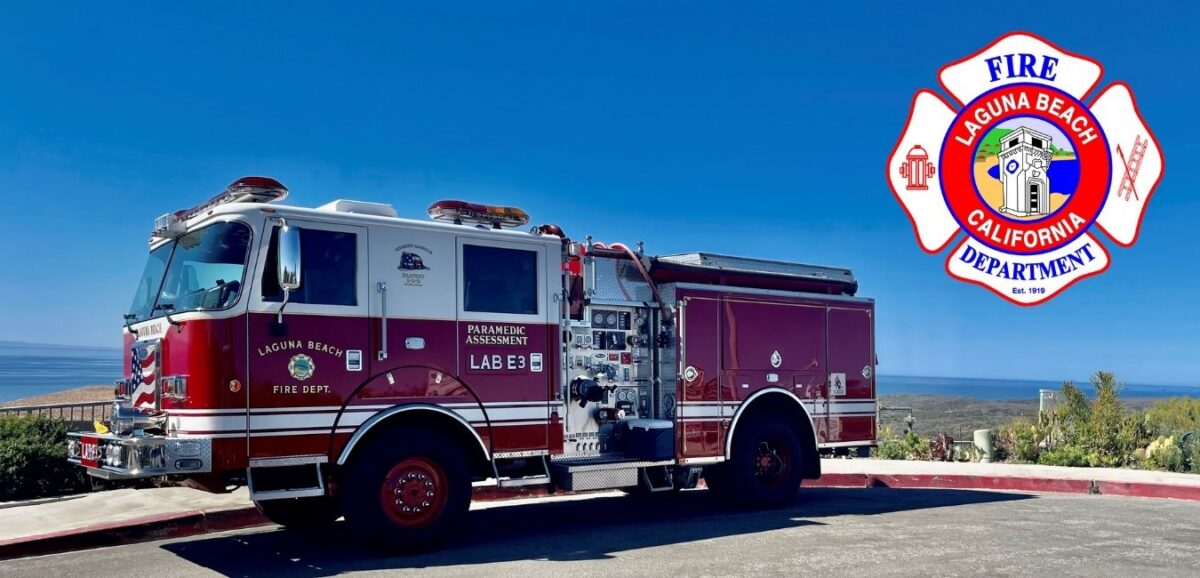
The City of Laguna Beach and Laguna Beach Fire Department have selected SensoRy AI’s wildfire detection and risk management platform for deployment across high-risk open spaces and inner canyons throughout the city.

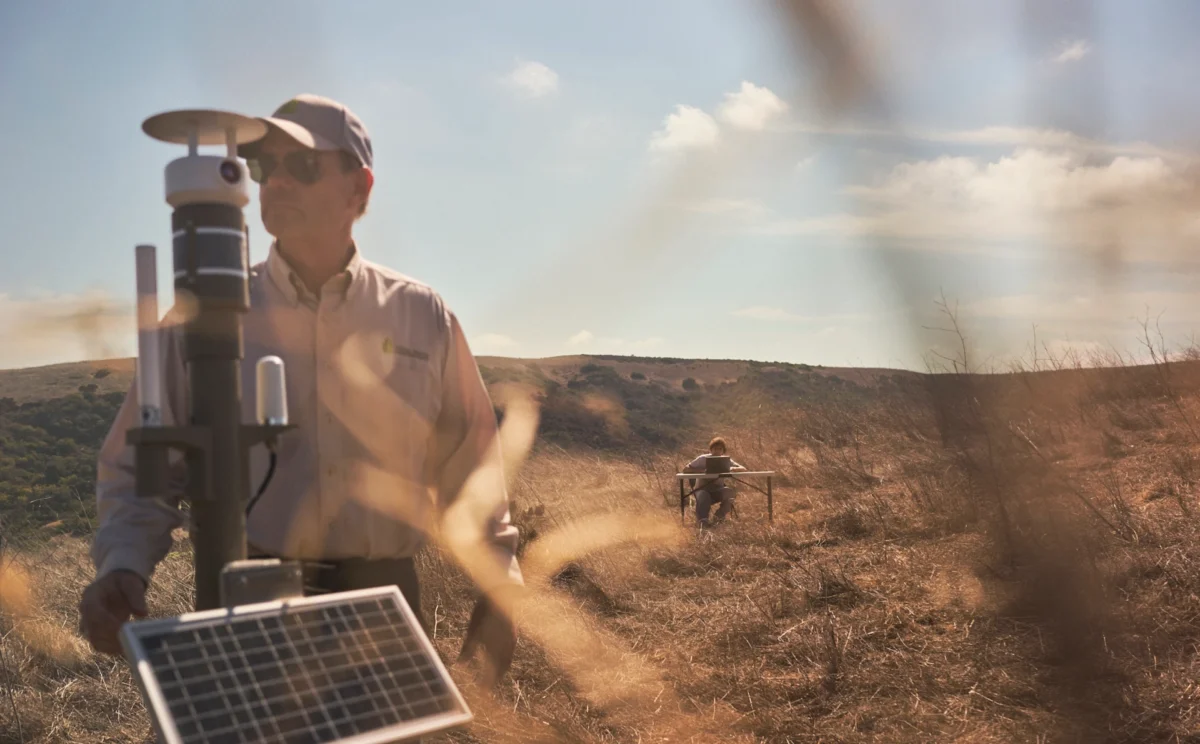
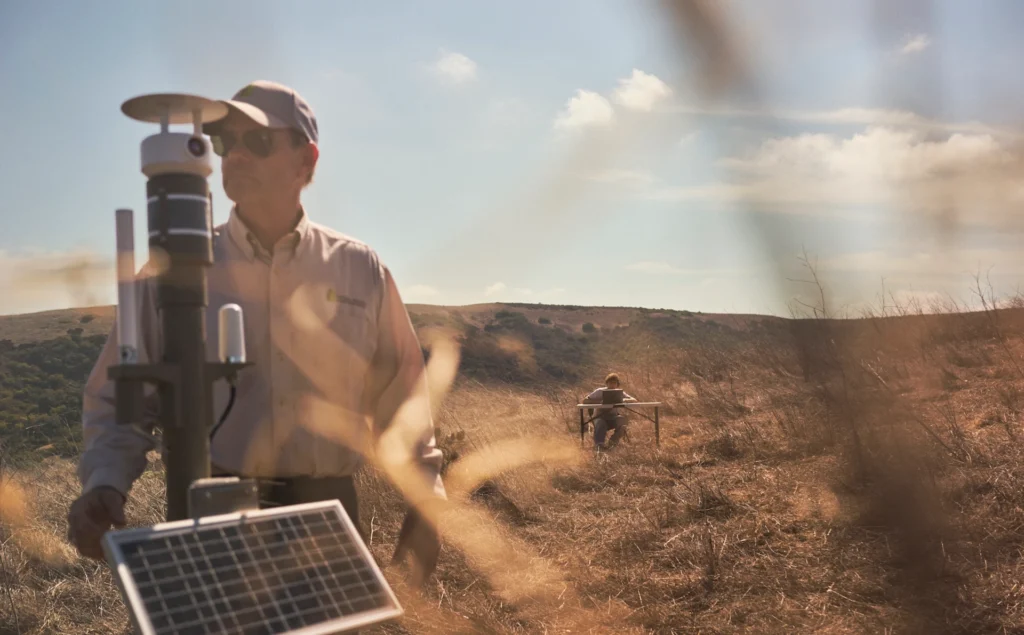
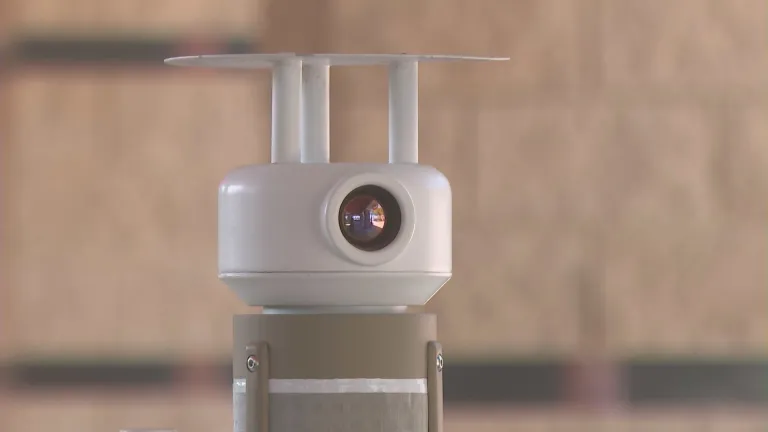
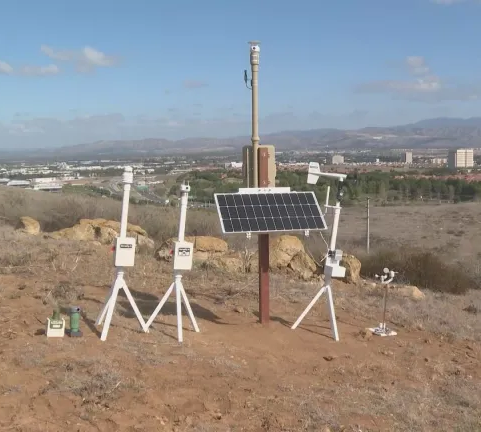
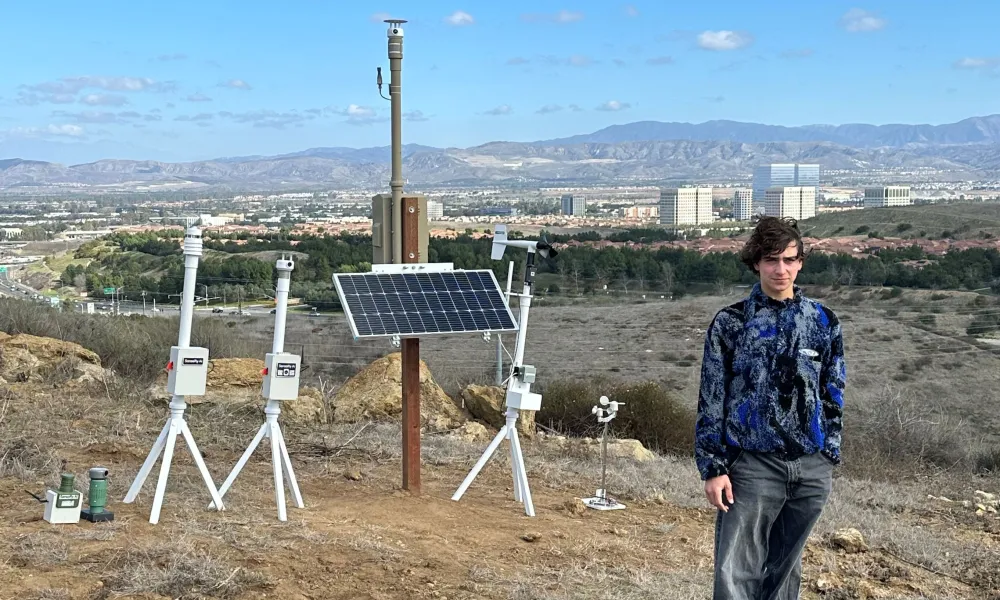
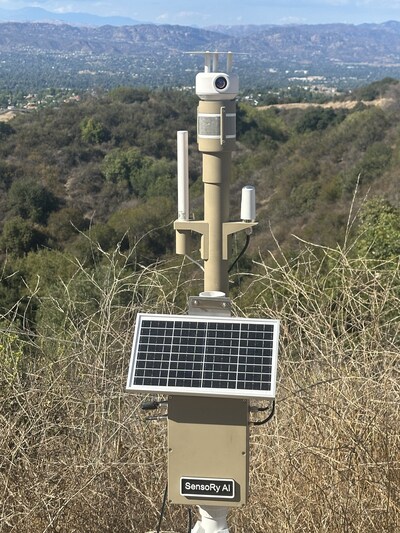
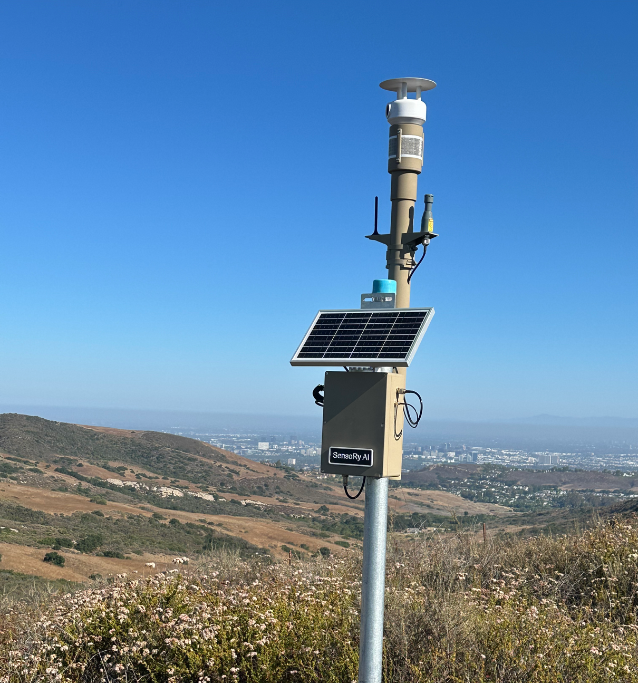
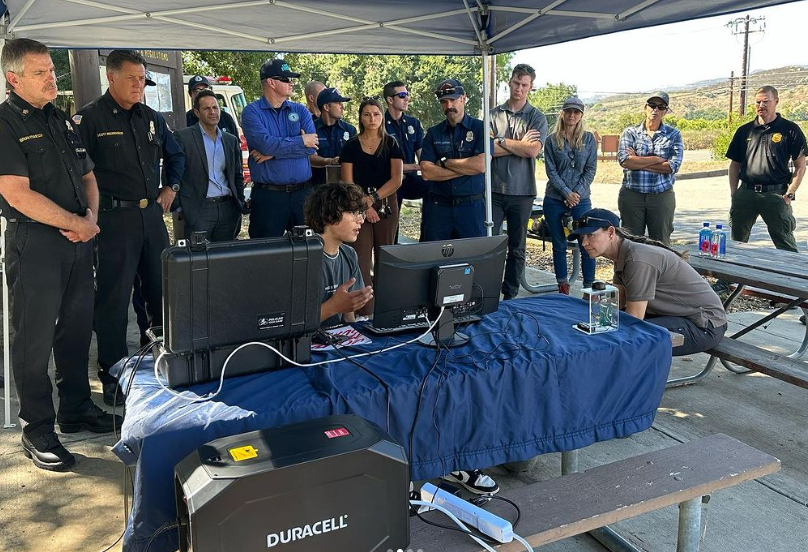
SensoRy AI’s wireless sensor network continuously monitors critical environmental conditions and uses edge AI to identify potential wildfire ignitions at their earliest stages. The system provides first responders with rapid alerts and real-time intelligence on ignition location, fire conditions, and potential spread, helping crews make faster and more informed response decisions.

The Laguna Beach deployment also connects the city to a growing regional sensor network across surrounding Southern California open spaces, expanding wildfire visibility beyond the limitations of traditional camera-based detection and helping protect both natural landscapes and nearby communities.

LBFD Press Release

Southern California city partners with teen-founded AI wildfire detection service 

The city of Irvine is partnering with a firm providing AI wildfire detection services that was founded by a teenager. 

SensoRy AI was founded by Ryan Honary while he was still in high school. The project he spearheaded detects wildfire ignitions in their earliest stages by deploying a network of ultra-early wildfire-detection and risk assessment sensors throughout the Irvine Open Space Preserve, Irvine officials said in a press release.  

The release explained that Irvine has already worked with SensoRy AI and the Orange County Fire Authority to install several test sensors last year. They proved to be “highly effective at detecting wildfire ignitions and providing data on fire risk,” with one recent deployment detecting and reporting an ignition from more than a mile away before it was identified by residents or any cameras. 

“The project aims to provide fire departments and emergency agencies with the earliest possible notice of an ignition, especially during Santa Ana winds, giving them the best chance to extinguish the fire before it grows,” the city says, adding that last year’s test deployment went “better than anticipated.”

Installation of the “large-scale network of sensors” is made possible by funding from the California Department of Conservation’s Regional Forest and Fire Capacity (RFFC) Program as well as the city of Irvine and its long-time nonprofit land management partner, the Irvine Ranch Conservancy (IRC). 

They are set to begin that process in early 2027. 

“Protecting Irvine’s open spaces from wildfire also helps protect the neighborhoods that border them,” Irvine Mayor Larry Agran said in the city’s press release. “This sensor network will give public safety personnel critical information when every second matters. It is a promising use of technology to strengthen public safety while protecting the open spaces our community has worked so hard to preserve.” 

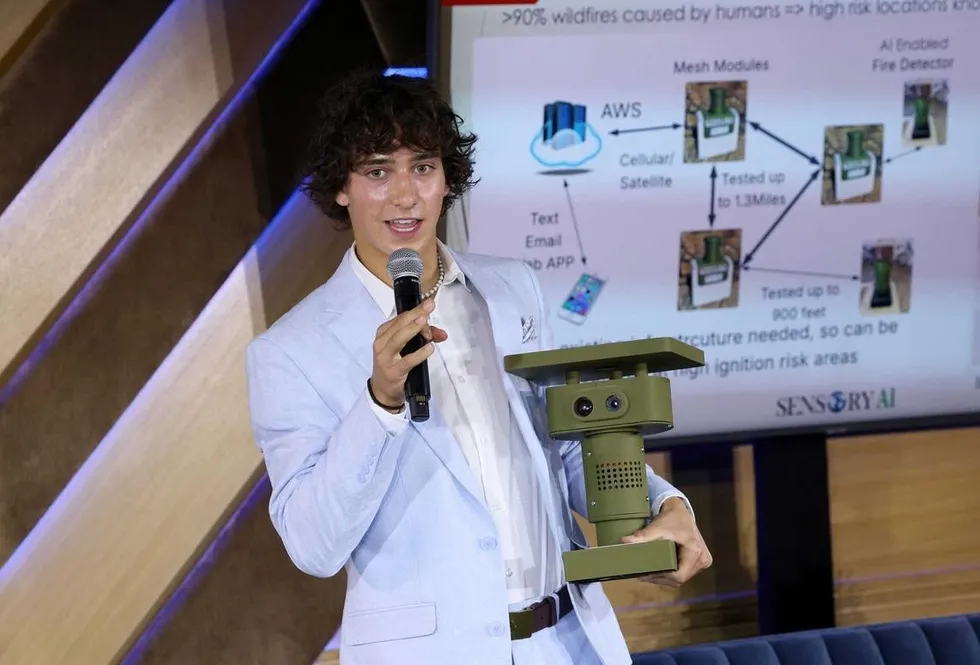
Officials – and Honary himself – provided more details on how the whole operation actually works. The press release states that the AI technology includes a wireless mesh sensor network that uses proprietary analysis techniques to detect wildfires at the earliest possible moment. The devices are designed to complement and go beyond existing AlertCalifornia wildfire cameras by filling viewshed gaps and using technologies that differ from those of regular cameras. 

“It continuously measures critical environmental conditions, which greatly improves risk assessment and fire prevention, while providing firefighters with instant notifications and real-time updates to help predict a fire’s growth speed and direction,” officials explained. “Designed to be low-cost, easily deployable and scalable, the network requires no existing infrastructure and can be installed in high-risk and remote areas.” 

Honary, via the press release, described the partnership as a “large-scale deployment” that marks a “very exciting milestone” for him and the project, which he started as a personal mission to protect lives, property and ecosystems from the devastating effects of wildfires.

“Since the deployment of the first-generation sensors last year, we have been able to make the hardware smaller and more efficient and train our AI models to be more accurate with large amounts of data that we have been collecting,” he said. “We are thankful to the City of Irvine for their continued vision and trust.”  

He told KTLA’s Orange County Bureau Chief Chip Yost on Tuesday that the endeavor is his first paid project.

“It’s definitely really exciting,” he said. “We’ve done deployments before but they were all pilot deployments…so this being our first paid project is exciting.”

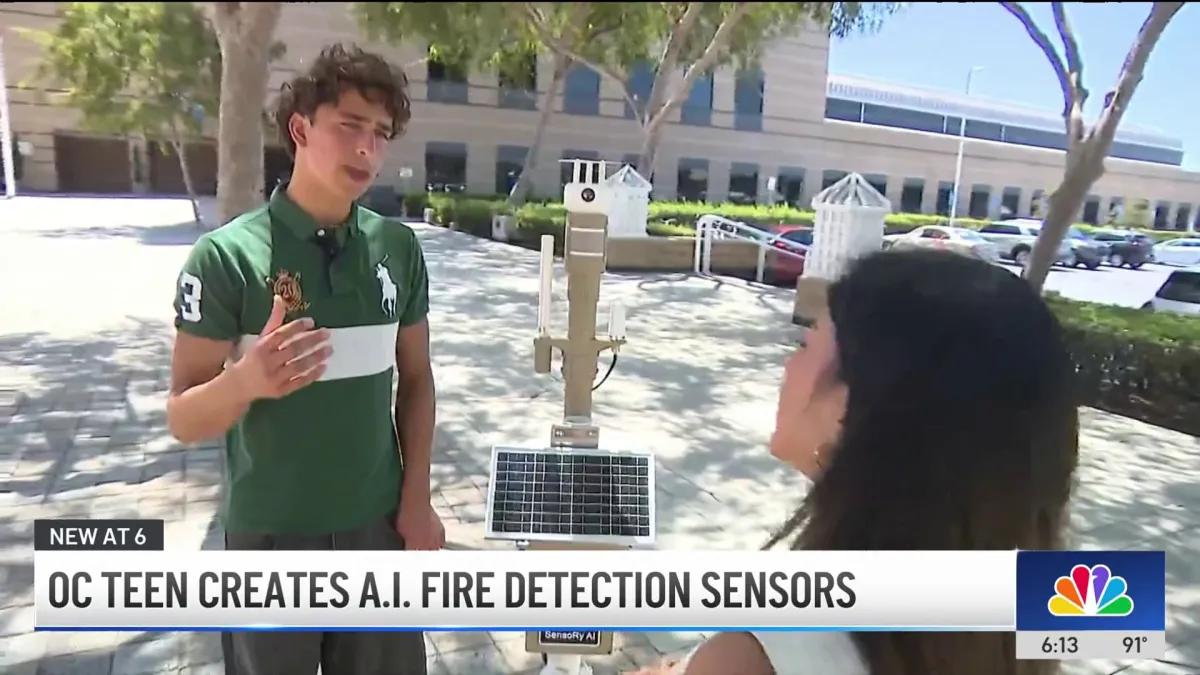
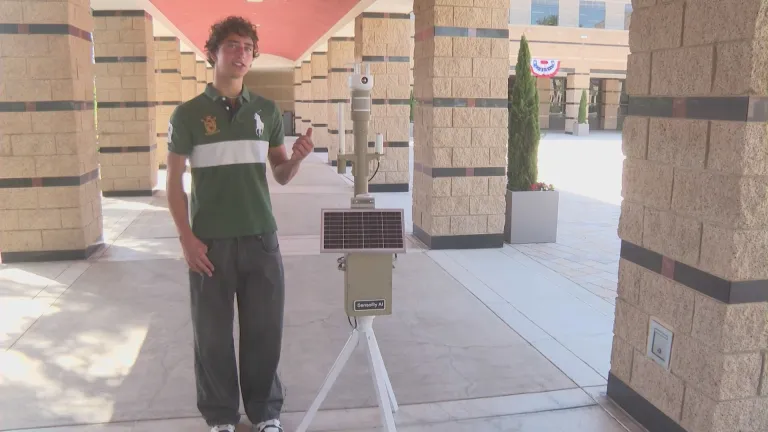
Ryan Honary with his SensoRy AI wildfire detection device that he invented while in high school. (KTLA)

Come the fall, Honary will be a student at Stanford University on a Wildfire Fellowship, but don’t worry; Irvine city officials say he will “remain directly involved in the work of SensoRy AI.” 

In the future, SensoRy AI and the Irvine Ranch Conservancy want to expand the network of sensors to other open spaces of central Orange County, including areas surrounding Laguna Beach, Newport Beach, and Crystal Cove State Park.  

“We have supported Ryan and SensoRy AI since the very beginning because we recognized both the potential of the technology and this outstanding young man,” said Michael O’Connell, President & CEO of IRC.

City of Irvine and SensoRy AI Launch Wildfire Detection and Risk Assessment Network

Monday, July 27, 2026

The City of Irvine is partnering with SensoRy AI to detect wildfire ignitions in their earliest stages by deploying a network of ultra-early wildfire-detection and risk assessment sensors throughout the Irvine Open Space Preserve.

Last year, the City worked with SensoRy AI and the Orange County Fire Authority to install several test sensors that proved highly effective at detecting wildfire ignitions and providing data on fire risk. The project aims to provide fire departments and emergency agencies with the earliest possible notice of an ignition, especially during Santa Ana winds, giving them the best chance to extinguish the fire before it grows.  

“Protecting Irvine’s open spaces from wildfire also helps protect the neighborhoods that border them,” said Mayor Larry Agran. “This sensor network will give public safety personnel critical information when every second matters. It is a promising use of technology to strengthen public safety while protecting the open spaces our community has worked so hard to preserve.”

The test deployment last year showed that the sensors performed even better than anticipated. Now, with funding from the California Department of Conservation’s Regional Forest and Fire Capacity (RFFC) Program, the City and its long-time nonprofit land management partner, Irvine Ranch Conservancy (IRC), are preparing to deploy a large-scale network of sensors throughout the Irvine Open Space Preserve in early 2027.

SensoRy AI’s technology includes a wireless mesh sensor network that uses proprietary analysis techniques to detect wildfires at the earliest possible moment. It continuously measures critical environmental conditions, which greatly improves risk assessment and fire prevention, while providing firefighters with instant notifications and real-time updates to help predict a fire’s growth speed and direction. Designed to be low-cost, easily deployable, and scalable, the network requires no existing infrastructure and can be installed in high-risk and remote areas.

“This large-scale deployment is a very exciting milestone for us, and we are thankful to the City of Irvine for their continued vision and trust,” said Ryan Honary, who founded SensoRy AI while still in high school. “Since the deployment of the first-generation sensors last year, we have been able to make the hardware smaller and more efficient and train our AI models to be more accurate with large amounts of data that we have been collecting.”  

Honary is headed to Stanford University in the fall on a Wildfire Fellowship and will remain directly involved in the work of SensoRy AI.

The City’s project is part of what SensoRy AI and IRC hope will become a network spanning the coastal open spaces of central Orange County, including areas surrounding Laguna Beach, Newport Beach, and Crystal Cove State Park. Designed to complement and go beyond existing AlertCA wildfire cameras, the SensoRy AI sensor network fills viewshed gaps and uses technologies that differ from those of regular cameras. In one recent deployment, the network detected and reported an ignition from more than a mile away before it was identified by residents or any camera systems.

“We have supported Ryan and SensoRy AI since the very beginning because we recognized both the potential of the technology and this outstanding young man,” said Michael O’Connell, President & CEO of IRC. “These sensors are incredibly sophisticated and will improve both fire prevention and response. We are thrilled to work with our long-time partners at the City of Irvine to take this critical step in keeping our communities and wildlands safe and healthy.”  

Wildfires continue to devastate California, including the Palisades and Eaton Fires in 2025, which killed 31 people and destroyed more than 16,000 structures, causing well over $100 billion in economic losses. SensoRy AI’s ultra-early ignition detection system is a significant advancement toward protecting lives, property, and ecosystems from the devastating effects of these disasters, which was Ryan Honory’s personal mission when he conceived of the technology as a high school science project.

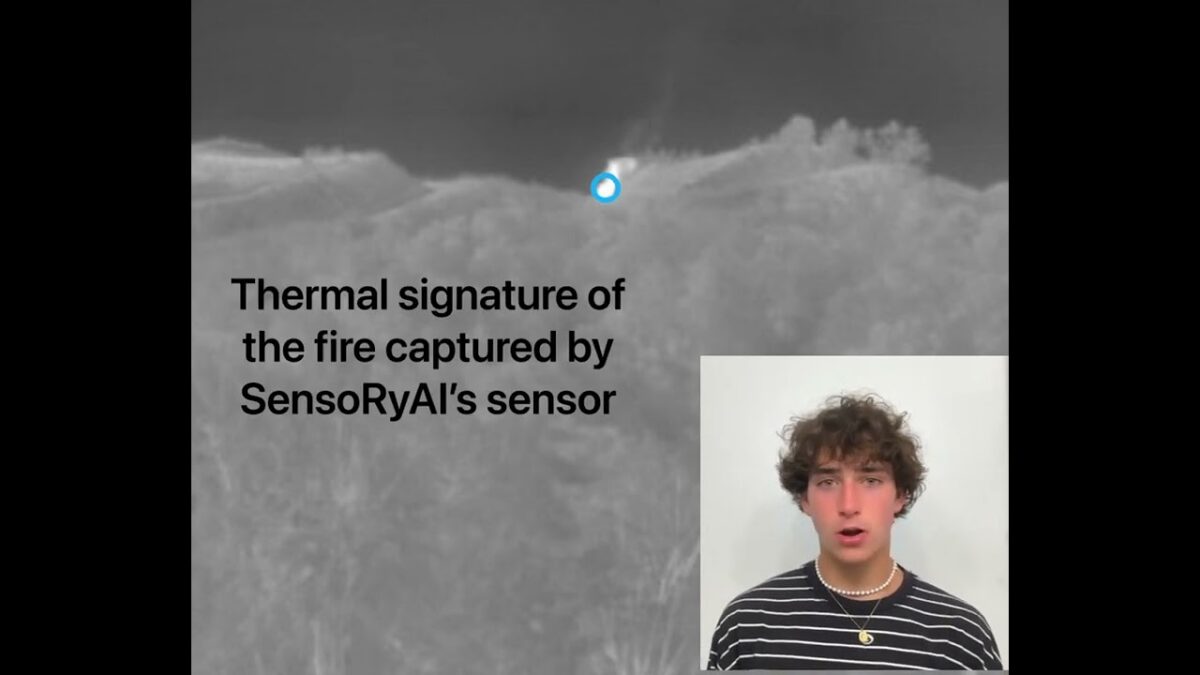
SensoRy AI Sensor Detected a Fire in Calabasas Before Residents Could See It

Watch how SensoRy AI’s deployed sensor in Calabasas identified a distant fire event more than a mile away before nearby residents could see it with the naked eye. The system flagged a small, isolated hot spot as a possible early ignition and prompted further investigation. Residents initially saw nothing, and even zoomed-in phone photos showed only faint smoke. The source was later confirmed to be a prescribed burn conducted by the fire department.

The demonstration shows how SensoRy AI’s ground-based detection system can identify subtle signs of fire at long range, providing valuable early awareness when every minute matters.

How teen entrepreneur Ryan Honary built a wildfire sensor network now working with the Orange County Fire Authority

His startup SensoRy AI says its sensors pick up the invisible signs a fire gives off in its first minutes, and they are already deployed with the Orange County Fire Authority.

Ryan Honary was traveling with his father when the TV in their hotel room cut to news of a wildfire burning in an area that looked very similar to his family’s home in Southern California. His mother had stayed behind.

He called her in a panic. She was safe. What came next surprised him.

“I felt a wave of relief,” he says. “But then I felt guilt for feeling relief.” On the screen, other families were losing everything.

The question that followed him home was simple. Why does a fire get that big before anyone knows it exists?

Years later, he built what he believes is an answer. Honary, who graduated from high school in Newport Beach, California, this spring, is the founder of SensoRy AI, a startup with a patented sensor network for what the city of Irvine calls ultra-early wildfire detection: catching fires in their first minutes, before flames or smoke can be seen. His sensors are already in the ground with the Orange County Fire Authority and the City of Irvine, and Honary says the company also has deployments in Laguna Beach and in communities around the Santa Monica Mountains. And in April, the company says, one of their sensors detected a real fire before anyone reported it.

Most wildfire detection still depends on eyes. A driver spots smoke and calls 911, or a lookout camera catches a plume on a ridgeline. By then a wind-driven fire may already be growing exponentially, and every minute of head start matters. The Palisades and Eaton fires that swept Los Angeles County in January 2025 showed how fast a wind-driven fire can outrun detection.

Honary’s system is meant to start earlier. The moment a fire ignites, he says, his sensors are designed to pick it up even without a direct line of sight, and to flag the location to fire professionals.

He got there by combining the things he loved: engineering, physics, computer vision and artificial intelligence. His first prototype ran on a Raspberry Pi, a small hobbyist computer, with the AI doing its work on the device itself so an alert would not have to wait on a faraway server. That design became his first U.S. patent, issued in July 2025, for running a machine learning model across a network of low-power devices. He was still in high school.

The harder part was getting anyone to listen.

The project began in 2020 as a science fair entry, and for a while that is how the world treated it. Fire is a field run by veterans, and a teenager with a Raspberry Pi did not look like the future of it.

The science fairs changed that. Honary started winning national awards, the awards drew media coverage, and the coverage reached Orange County Fire Authority Chief Brian Fennessy. Honary presented his idea to fire scientists at UC San Diego, and that ultimately developed into a working partnership with the Orange County Fire Authority. In February 2025, OCFA and the city of Irvine installed test sensors in the Irvine Open Space Preserve. ‘Early detection is one of our greatest weapons,’ Fennessy said of the effort.

“Their belief in me taught me that passion, humility and persistence can open doors that age alone cannot,” Honary says.

The results kept coming. At the 2025 International Science and Engineering Fair, the world’s largest pre-college science competition, Honary took second place in embedded systems along with special awards from the Office of Naval Research and Qorvo. He was lead author on research presented at an IEEE conference and on a review of early wildfire detection technologies published in the ASME Open Journal of Engineering, which became the journal’s most accessed article of 2025. Homeland Security Today named him one of its Top 50 Trailblazers. In January, his team reached the final five of XPRIZE Wildfire, a global competition judged on field tests with real fires.

The pilot with the Orange County Fire Authority and the city of Irvine began in February 2025, with sensors placed where ignitions are most likely to start. According to the city, the test units performed even better than anticipated. Then came a moment Honary had been building toward since that hotel room. In April, according to the company, a SensoRy AI sensor in Calabasas, California, picked up an actual wildfire from more than a mile away, before anyone had called it in.

Now the pilot is becoming a network. On July 27, the city of Irvine announced plans for a large-scale deployment of the sensors across its Open Space Preserve beginning in early 2027, funded through the California Department of Conservation’s Regional Forest and Fire Capacity grant program and designed to complement the state’s wildfire cameras by filling gaps they cannot see. Irvine Mayor Larry Agran said protecting the city’s open spaces also protects the neighborhoods that border them, calling the network ‘a promising use of technology to strengthen public safety.’ SensoRy AI and the Irvine Ranch Conservancy hope the project grows into a network covering the coastal open spaces of central Orange County, including areas around Laguna Beach, Newport Beach and Crystal Cove State Park.

This fall, Honary heads to Stanford University as a Wildfire Fellow, and he plans to stay directly involved in the company. He believes the same sensing approach can eventually stretch to other environmental threats.

He is also trying to shorten the road for whoever comes next. Through Climate Solutions Society, a nonprofit he founded, Honary hands other students the basics of his original Raspberry Pi design, sample code and sensors included. The group has grown to six chapters, and several teens have started environmental projects of their own.

Ask what he hopes people take from all of it and he does not lead with the patent or the prizes.

“If my journey encourages even one student to pursue an ambitious idea that makes the world a little safer or better,” he says, “I would consider that one of my greatest accomplishments.”

He was a kid who felt helpless in front of a hotel TV. Now the thing he built stands watch in the hills, and this spring, by the city of Irvine’s own account, it reported an ignition before any person or camera did. To keep up with his work, follow Honary on Instagram and LinkedIn.

Silicon Valley High School Team Expands XPRIZE Wildfire Bid with Industry Partners

SensoRyAI asked to join XPRIZE wildfire semifinalist team Wildfire Quest. The $11M XPRIZE Wildfire is a four-year global competition designed to end destructive wildfires by catalyzing breakthrough technologies in ultra-early detection and rapid autonomous response. As climate-driven fire seasons intensify, every second counts. This prize challenges innovators to deliver faster, more precise, and more resilient solutions that can detect, manage, and suppress small fires before they escalate into devastating events.

SensoRyAI asked to join XPRIZE wildfire semifinalist team Wildfire Quest. The $11M XPRIZE Wildfire is a four-year global competition designed to end destructive wildfires by catalyzing breakthrough technologies in ultra-early detection and rapid autonomous response. As climate-driven fire seasons intensify, every second counts. This prize challenges innovators to deliver faster, more precise, and more resilient solutions that can detect, manage, and suppress small fires before they escalate into devastating events.

Combined Next-gen technology could change how the world responds to wildfires

SAN JOSE, Calif., Oct. 8, 2025 /PRNewswire/ — Valley Christian Schools (VCSWildfire Quest team, the only high school team worldwide to reach the semifinals in the $11M XPRIZE Wildfire competition, has announced new partnerships with Kaizen Aerospace and SensoRy AI. These alliances further bolster the VCS cutting-edge autonomous wildfire response system with proven industry expertise in heavy-lift drones and advanced fire detection technology.

Kaizen Aerospace contributes proven expertise in heavy-lift autonomous drones—capable of carrying payloads up to 1,000 lb—paired with AI-driven mission navigation via its xNav™ system. For Valley Christian Schools' Wildfire Quest, Kaizen provides flight technology, integration support, and operational expertise to execute rapid and reliable aerial suppression. Kaizen and VCS are dedicated to advancing next-generation tools for firefighting, both during and beyond the XPRIZE competition.
Kaizen Aerospace contributes proven expertise in heavy-lift autonomous drones—capable of carrying payloads up to 1,000 lb—paired with AI-driven mission navigation via its xNav™ system. For Valley Christian Schools’ Wildfire Quest, Kaizen provides flight technology, integration support, and operational expertise to execute rapid and reliable aerial suppression. Kaizen and VCS are dedicated to advancing next-generation tools for firefighting, both during and beyond the XPRIZE competition.

Competing as Wildfire Quest, the San Jose-based student innovators are one of only 15 semifinalist teams in the Autonomous Wildfire Response track of XPRIZE Wildfire. Their mission: to develop a fully autonomous system that detects and extinguishes wildfires in under 10 minutes.

“Wildfire response is one of the most important real-world applications of autonomous flight,” says Ziv Marom, Kaizen Aerospace President and Founder. “We’re proud to bring Kaizen’s technology and experience to this team and to help push the limits of what’s possible in the field. We’re joining Wildfire Quest as a long-term partner to help turn bold ideas into field-ready capability. We’re committed to advancing real tools for firefighters and accelerating this team’s impact.”

Youth vs. Wildfire: A Global Race for Innovation

Building on their $25,000 Technical Verification award and early successes, the team is now preparing for field testing this fall. By integrating new partnerships with Kaizen Aerospace and SensoRy AI, the students bring professional-grade capabilities into their system, strengthening their ability to detect, prioritize, and suppress wildfires faster than ever before.

“Wildfire Quest is showing the world that age is no barrier to making an impact,” said Ryan Honary, Founder of SensoRy AI. “I also started SensoRy AI in high school, so the Wildfire Quest story resonates personally with me. I am very excited that together with SensoRy AI’s innovative wildfire detection technology and Wildfire Quest’s bold autonomous response platform, we are delivering a cutting-edge end-to-end solution for wildfire detection, notification and suppression.”

About Kaizen Aerospace: Heavy-Lift Autonomy for Aerial Suppression

Kaizen Aerospace  contributes proven expertise in heavy-lift autonomous drones—capable of carrying payloads up to 1,000 lb—paired with AI-driven mission navigation via its xNav™ system. For Wildfire Quest, Kaizen provides flight technology, integration support, and operational experience to execute rapid, reliable aerial suppression. Kaizen has joined as a long-term partner, dedicated to advancing next-generation tools for firefighting through and beyond the XPRIZE competition.

About SensoRy AI: Detecting Fires in Minutes, From Miles Away

SensoRy AI , founded by Ryan Honary, provides its patented multi-sensor platform capable of detecting wildfires in their incipient stage from thousands of feet away and reporting them within minutes. 

Developed with guidance and mentorship of Professor Kavehpour Mechanical & Aerospace Engineering at UCLA, and support from Orange County Fire Authority, the system has undergone extensive field testing with real fires and has been deployed in the field for more than six months. The technology not only identifies small fires at long distances but also reports precise locations, enabling Wildfire Quest to rapidly deploy drones for suppression.

About XPRIZE

XPRIZE is the recognized global leader in designing and executing large-scale competitions to solve humanity’s greatest challenges. For over 30 years, our unique model has democratized crowd-sourced innovation and scientifically scalable solutions that accelerate a more equitable and abundant future. Donate, learn more, and co-architect a world of abundance with us at xprize.org.

About Valley Christian Schools and the AMSE Institute

The AMSE Institute at Valley Christian Schools (San Jose, CA) empowers K–12 students to explore and excel in STEM through real-world research and innovation, including aerospace and environmental technologies. Valley Christian Schools (VCS) offers a college-preparatory education rooted in faith, excellence, and purpose. For more information, visit vcs.net

Photo, Video Asset Downloads

RESOURCES

https://science.nasa.gov/earth/explore/wildfires-and-climate-change

SOURCE Valley Christian Schools

SensoryAI is proud that its founder Ryan Honary was chosen as one of Homeland’s 50 Trailblazers by Homeland Security Today

Washington, D.C. September 12 – Today, the day after the nation’s remembrance of the events of 9/11, Homeland Security Today is proud to announce its 2025 “Homeland’s 50 Trailblazers” to highlight hope, and bring attention to the people trailblazing innovations to the nation’s most pressing threats and vulnerabilities.

The Trailblazers list focuses on individuals who are finding and implementing the most cutting-edge homeland security solutions in service to our citizens and nation. Their innovations are leveraging advancements to make the country safer and make #neveragain a reality.

“We are always inspired and heartened by the leadership, innovation and commitment of the heroes selected as Trailblazers,” said Executive Editor of Homeland Security Today Kristina Tanasichuk. “These leaders realize that the future is now and that embracing change and harnessing the power of rapid advancement for their mission protects us all. They truly are blazing new trails – especially in the new world of AI.”

Editors and Advisors to Homeland Security Today select top leaders advancing critical existing and emerging missions across the broad field of “homeland security” and building the critical partnerships between our government, the private sector and our citizens for a prepared and resilient nation.  This year’s cadre represent the public and private sector, and innovators in disciplines across homeland.

See the full list of Trailblazers and write ups here. 

Sensory AI and OCFA deploy AI-driven early wildfire detection system in City of Irvine Open Space Preserve

IRVINE, CALIFORNIA (February 11, 2025) – In a unified effort to address the growing threat of wildfires in Southern California, Ryan Honary, founder of SensoRy AI, has partnered with the Orange County Fire Authority (OCFA) and the City of Irvine to deploy his award-winning AI-driven wildfire detection system in the Irvine Open Space Preserve.

SensoRy AI’s platform combines a wireless mesh sensor network with artificial intelligence and machine learning to detect wildfires at their earliest stages, providing firefighters with instant notifications and real-time updates on predicted growth speed and direction. Designed to be low-cost and scalable, the solution is ideal for high-risk areas.

“Early detection is one of our greatest weapons in what has become a year-round fire season, empowering crews to more safely and effectively execute the robust and rapid initial attack required to keep wildfires small,” said OCFA Fire Chief Brian Fennessy. “For several years now, we have partnered with Ryan and SensoRy AI. We are proud and grateful that his technology has the potential to provide our firefighters with real-time data that expedites resource allocation, improves firefighting strategy, and enhances our mission to protect life and property.”

The initial installation focuses on high-risk zones within the Irvine Open Space Preserve, which is a part of nearly 40,000 acres of interconnected open space owned by the City of Irvine, OC Parks, and California State Parks that functions as a key ecological corridor connecting open space in Orange County to the Cleveland National Forest. The deployment comes after several successful pilots carried out with the support of Irvine Ranch Conservancy (IRC) at their native seed farm and OC Parks’ Irvine Ranch Open Space.

“We are thrilled to have partnered with and supported Ryan in the development and testing of SensoRy AI’s technology,” said Dr. Nathan Gregory, Senior Vice President and Chief Programs Officer at IRC. “Utilizing innovative tools to assist with protecting open spaces and communities from wildfire is essential, and this technology will help us do that.”

So far this year, wildfires have burned over 57,000 acres in California, killing nearly 30 people and causing an estimated $255 billion in economic losses. By merging OCFA’s operational expertise with SensoRy AI’s advanced detection technology, the deployment represents a significant step forward in protecting lives, property and ecosystems from the devastating effects of these disasters.

“Since 2020, my goal has been to create technology that gives first responders the early warning they need to respond to wildfires faster and more effectively,” said Ryan Honary. “The support I’ve received from experts like Chief Fennessy and Dr. Gregory has been invaluable as I’ve worked to turn what started as a science project into a real-world solution that can save lives.”

About SensoRy AI

SensoRy AI, founded by Ryan Honary, is a company dedicated to developing AI-powered solutions for environmental hazard detection. The company’s mission is to provide cutting-edge technology that enables communities and emergency responders to stay ahead of environmental disasters, from wildfires to other critical threats. SensoRy AI’s early detection system is just one of its innovative solutions aimed at protecting lives and property.

About Orange County Fire Authority

The Orange County Fire Authority (OCFA) is a regional fire service agency that serves 23 cities in Orange County and all unincorporated areas. OCFA operates from 78 fire stations, providing fire protection and emergency medical services to nearly 2 million residents. The agency is committed to safeguarding lives and property through a combination of fire prevention, education, and effective emergency response.

About Irvine Ranch Conservancy

Irvine Ranch Conservancy is a non-profit organization whose mission is to restore, protect, and enhance the ecological health of urban wildlands in a way that fosters compatible human behaviors and inspires connections and partnerships. These lands include the Irvine Ranch Natural Landmarks — over 40,000 acres of precious open space in Orange County that have been recognized for their biological and geological significance. IRC actively manages these critically important areas in partnership with the City of Irvine, City of Newport Beach, OC Parks, and numerous other community partners.

Teen innovator develops AI-powered wildfire sensor to detect flames before they spread

Orange County high school student deploys fire-detecting technology inspired by one of California’s deadliest blazes.

After the devastating wildfires that ravaged Southern California, many are searching for ways to prevent future disasters. A 17-year-old high school junior from Orange County, Ryan Honary, may have found a game-changing solution.

Honary has developed an advanced sensor that leverages artificial intelligence to detect fires as small as a square foot, potentially giving first responders a critical head start.

“I’m actually super excited for this deployment because I’ve been working at this for almost five years now,” said Honary, who first conceived the idea when he was just 10 years old.

On Monday, Honary deployed his device for the first time. The technology, which integrates infrared sensors with AI, can identify heat sources—including open flames as small as a floor tile. The sensor’s camera continuously refreshes, capturing new images every few seconds, and can even detect heat plumes, providing an early warning system for emergency responders.

Honary’s inspiration stemmed from the deadly 2018 Camp Fire in Northern California, which destroyed 18,000 homes and buildings. At the time, he was a fifth grader at Newport Harbor High School and Stanford Online High School. What began as a simple science project has now evolved into an innovative wildfire detection network.

“The teacher asked us to make anything—that was the assignment,” Honary recalled. His initial prototype consisted of a circuit board with a jumble of wires, but after years of research and development, it has transformed into a sophisticated network of sensors.

Now, in collaboration with the Orange County Fire Authority, Honary’s technology is adding to the agency’s existing fire detection tools. His system provides immediate alerts, allowing firefighters to respond before a fire can spread.

“The purpose of the whole network is to detect fires in their incipient stage, when they’re around or even smaller than one foot,” Honary explained. “By the time firefighters are notified or arrive, the fire is so small that it’s almost like a nuisance—they can easily put it out and move on with their day, rather than facing a massive blaze like the one in Los Angeles.”

Honary hopes that within the next decade, his sensors will not only protect Irvine but will be deployed nationwide, helping to prevent wildfires before they escalate into disasters.

Logo-1-T